Roof Repair Guide: Protecting Your Home with Timely and Effective Solutions

A roof is one of the most important parts of any home, yet it is often overlooked until something goes wrong. Everything seems fine until one rainy day when a small water stain appears on the ceiling. That tiny spot can quickly become a sign of a much larger issue hidden above. Roof damage rarely announces itself loudly at first. It often begins with small problems that grow over time.

Understanding roof repair and addressing issues early can protect your home from serious damage and costly replacements. Visit Website for more details.

Why Roof Repair Is Essential for Every Home
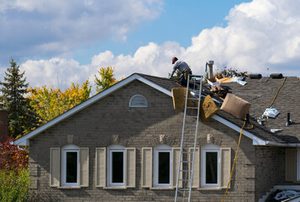
roof

The roof serves as the primary shield against weather conditions such as rain, wind, snow, and intense sunlight. Without proper protection, the structure of a home becomes vulnerable to moisture, temperature changes, and environmental damage.

Even minor roofing issues can create significant problems if ignored. A single missing shingle may allow water to seep beneath the surface. Over time this moisture can damage insulation, ceilings, and even structural beams.

Roof repair ensures that the protective barrier remains strong and reliable. By repairing damage early, homeowners can prevent the spread of deterioration and maintain the stability of the entire structure.

Timely repairs also extend the lifespan of the roof. Instead of replacing the entire roofing system prematurely, homeowners can maintain its condition through regular maintenance and targeted repairs.

Investing in roof repair is not only about solving current issues but also about preserving the long term integrity of the home.

Common Signs That a Roof Needs Repair

Many roofing problems develop gradually and may not be immediately visible from the ground. However, there are several warning signs that indicate the need for roof repair.

Water stains on ceilings or walls often suggest that moisture has entered through the roof. Even small discolorations may signal a leak that requires attention.

Missing, cracked, or curling shingles are another common sign of damage. These issues may occur due to strong winds, aging materials, or exposure to extreme weather conditions.

Granules from shingles sometimes accumulate in gutters. This can indicate that the shingles are deteriorating and losing their protective coating.

Sagging areas on the roof surface may suggest structural issues beneath the shingles. This type of damage should be inspected promptly to prevent further complications.

Unusual increases in energy bills can also be linked to roof problems. Poor insulation or ventilation caused by roofing damage may affect temperature regulation inside the home.

Recognizing these signs early allows homeowners to address repairs before the damage becomes extensive.

Common Causes of Roof Damage

Understanding what causes roof damage can help homeowners take preventative measures and maintain the condition of their roofs.

Weather conditions are among the most common causes of roofing problems. Heavy rain, strong winds, hail, and snow can weaken roofing materials over time. Storms may loosen shingles or create small openings that allow water to penetrate.

Sun exposure also affects roofing materials. Continuous exposure to ultraviolet rays can cause shingles to become brittle and crack as they age.

Poor installation is another factor that can lead to roof damage. If roofing materials are not installed correctly, they may not withstand environmental stress effectively.

Clogged gutters can also contribute to roof problems. When gutters are blocked by debris, water cannot drain properly and may pool along the roof edges. This can lead to leaks and water damage.

Tree branches hanging over the roof can cause physical damage during storms or high winds. Leaves and debris may also accumulate on the roof surface, trapping moisture.

By understanding these causes, homeowners can take steps to reduce the risk of damage and maintain the roof’s durability.

The Roof Repair Process

Roof repair typically begins with a detailed inspection. During this stage, professionals examine the entire roofing system to identify damaged areas and determine the extent of the problem.

The inspection includes checking shingles, flashing, vents, and gutters. Technicians look for signs of wear, leaks, or structural weaknesses that may require repair.

Once the issue has been identified, the repair process begins. Damaged shingles may be replaced, and loose materials are secured. Flashing around chimneys and vents may also be repaired or replaced to ensure proper sealing.

If leaks are present, the underlying cause must be addressed before repairing the visible damage. This ensures that the repair is effective and prevents future problems.

After the repairs are completed, the roof is inspected again to confirm that all issues have been resolved. Proper repair restores the roof’s ability to protect the home from weather conditions.

The repair process may vary depending on the type of roof and the severity of the damage, but careful attention to detail is essential for long lasting results.

Preventative Maintenance for Roof Longevity

Regular maintenance plays a crucial role in reducing the need for major roof repairs. By performing routine inspections and maintenance tasks, homeowners can keep their roofs in good condition for many years.

Cleaning gutters is one of the most important maintenance activities. Removing leaves and debris allows water to flow freely away from the roof and prevents pooling.

Trimming nearby tree branches reduces the risk of physical damage during storms. It also prevents debris from accumulating on the roof surface.

Periodic roof inspections help identify potential issues before they become serious problems. Checking for loose shingles, cracked flashing, or small leaks allows homeowners to address these concerns promptly.

Maintaining proper attic ventilation is also important. Adequate airflow prevents heat and moisture buildup that can damage roofing materials.

Preventative maintenance not only extends the lifespan of the roof but also helps homeowners avoid costly repairs in the future.

The Benefits of Professional Roof Repair

While some minor roof maintenance tasks can be handled by homeowners, professional roof repair offers several advantages.

Experienced professionals have the training and equipment needed to identify hidden damage. Issues such as small leaks or structural weaknesses may not be obvious to untrained observers.

Professional repair also ensures that materials are installed correctly and securely. Proper techniques help maintain the integrity of the roofing system.

Safety is another important factor. Roof work often involves working at heights and handling heavy materials. Professionals follow safety procedures that reduce the risk of accidents.

Working with skilled professionals also saves time. They can complete repairs efficiently while ensuring high quality results.

Choosing professional roof repair services provides confidence that the job has been completed properly and that the roof will continue to protect the home effectively.

Conclusion: Protecting Your Home Through Proper Roof Repair

Roof repair is an essential part of maintaining the safety and durability of a home. By addressing problems early and performing regular maintenance, homeowners can protect their property from weather damage and structural deterioration.

Understanding the causes of roof damage and recognizing warning signs allows for timely repairs that prevent larger issues. A well maintained roof not only enhances the appearance of the home but also provides long lasting protection.

Investing in proper roof repair and maintenance ensures that the roof remains a strong barrier against the elements. With consistent care and attention, homeowners can preserve the integrity of their homes and enjoy peace of mind for many years.

Pest Prevention Guide: How to Protect Your Home from Unwanted Infestations

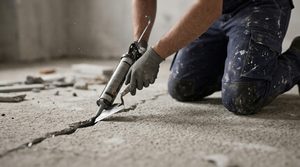
pest control

You are enjoying a quiet evening at home when you suddenly notice a small line of ants moving along the kitchen counter. Later, you hear a faint scratching sound behind the wall or see a cockroach disappear beneath a cabinet. Situations like these can quickly turn a peaceful home into a stressful environment.

Pests often arrive quietly and multiply quickly, which is why prevention is one of the most important steps homeowners can take. Pest prevention focuses on stopping infestations before they begin, protecting both the home and the people living in it. Click Here for more details.

Understanding the Importance of Pest Prevention

Pest prevention is the process of reducing the chances that insects, rodents, or other unwanted animals will enter and settle inside a property. While pest control focuses on removing existing infestations, prevention aims to eliminate the conditions that attract pests in the first place.

Homes naturally provide the elements pests need to survive. Warm shelter, accessible food sources, and water make residential properties attractive environments for many species. Without preventative measures, these conditions can invite pests to settle in hidden areas such as walls, basements, attics, and kitchens.

Preventing pests offers several advantages. It reduces the likelihood of property damage, protects food and living areas from contamination, and eliminates the stress that comes with dealing with infestations. Prevention also tends to be more cost effective than treating a widespread pest problem.

By understanding what attracts pests and how they enter homes, homeowners can create an environment that discourages these unwanted visitors.

Identifying Common Entry Points

One of the first steps in pest prevention is identifying how pests gain access to a property. Many pests can enter through surprisingly small openings, often unnoticed by homeowners.

Cracks in foundations or walls are common entry points. Over time, buildings naturally develop small gaps due to settling or weather exposure. Rodents and insects can easily use these openings to move inside.

Doors and windows may also allow pests to enter if seals or screens are damaged. Even small gaps around door frames can provide enough space for insects and rodents to slip through.

Utility lines such as plumbing pipes and electrical cables create additional openings where pests can gain access. These areas are often overlooked but can serve as convenient entry points.

Roof vents, attic openings, and chimney areas are other potential access routes. Birds, squirrels, and insects may enter through these locations if they are not properly protected.

Regular inspections of the home’s exterior help identify and seal these vulnerabilities. By closing off entry points, homeowners significantly reduce the chances of pests entering the structure.

Maintaining Cleanliness Inside the Home

Cleanliness is one of the most effective forms of pest prevention. Many pests are drawn to homes in search of food. Even small crumbs or spills can attract insects and rodents.

Kitchens are particularly important areas to maintain. Food should be stored in sealed containers, and surfaces should be wiped down regularly. Taking out trash frequently and keeping garbage containers tightly closed helps prevent pests from being drawn to waste.

Dining areas and living spaces should also be kept clean. Food crumbs that fall beneath furniture or appliances can provide an easy food source for pests.

Bathrooms and laundry areas may attract pests due to moisture. Keeping these spaces clean and dry reduces the likelihood of insects that thrive in damp environments.

Pet food can also attract pests if left exposed for long periods. Storing pet food securely and cleaning feeding areas helps prevent unwanted visitors.

Consistent cleaning habits remove the food sources that pests rely on, making the home far less appealing to them.

Managing Moisture and Water Sources

Water is another essential resource for pests. Many insects and rodents are drawn to areas where moisture is present. Controlling water sources is therefore a key aspect of pest prevention.

Leaking pipes and faucets can create damp conditions that attract pests. Even small leaks beneath sinks or inside walls may provide enough moisture to support infestations. Repairing leaks promptly helps eliminate these environments.

Bathrooms and basements often experience higher humidity levels. Proper ventilation and the use of dehumidifiers can reduce moisture and discourage pests from settling in these areas.

Standing water outside the home can also contribute to pest problems. Mosquitoes, for example, breed in stagnant water. Ensuring that gutters drain properly and removing water from containers in the yard helps prevent insect populations from growing.

Maintaining dry conditions throughout the property makes it less inviting for pests that depend on moisture to survive.

Outdoor Maintenance for Pest Prevention

The condition of the surrounding property can influence the likelihood of pests entering a home. Outdoor maintenance plays a major role in prevention.

Vegetation that grows too close to the house can provide hiding places for insects and rodents. Trimming bushes and tree branches away from walls reduces these opportunities.

Firewood, debris, and stored materials should be kept away from the home’s foundation. These items can become nesting areas for pests that later move indoors.

Proper waste management is also important. Outdoor trash containers should remain sealed and placed at a distance from entryways when possible.

Keeping lawns well maintained and removing fallen leaves helps eliminate potential shelter for pests. Maintaining clean outdoor spaces makes it more difficult for pests to establish themselves near the home.

By managing the exterior environment, homeowners reduce the likelihood that pests will approach or enter the property.

The Role of Regular Inspections

Regular inspections are an important part of effective pest prevention. By examining the home periodically, homeowners can detect early signs of pest activity before an infestation develops.

Signs such as droppings, chewed materials, or unusual odors may indicate the presence of pests. Early detection allows for quick action to prevent the problem from spreading.

Inspecting storage areas, basements, attics, and garages is particularly important because pests often hide in these less frequently used spaces. Checking these areas helps identify potential problems that might otherwise go unnoticed.

Professional inspections can provide an additional layer of protection. Experienced technicians understand pest behaviors and can identify risks that homeowners may overlook.

Combining regular inspections with preventative measures ensures that the home remains protected throughout the year.

Conclusion: Creating a Pest Free Living Environment

Pest prevention is one of the most effective ways to maintain a clean, safe, and comfortable home. By eliminating entry points, maintaining cleanliness, controlling moisture, and managing outdoor conditions, homeowners can significantly reduce the risk of infestations.

Taking proactive steps to discourage pests protects both property and health. A home that is well maintained and carefully monitored becomes far less attractive to insects and rodents.

With consistent attention and preventative practices, homeowners can create an environment where pests struggle to survive. The result is a healthier living space and greater peace of mind for everyone in the household.

Reviving Surfaces: The Transformative Power of Pressure Washing Services

Dirt hides in the tiniest corners of every surface. Power washing services expose what lies beneath grime and neglect. It’s not merely cleaning—it’s revitalization. Every blast of water reshapes how spaces feel and function.

Pressure Washing Services

Modern power washing combines force with precision. Professionals now adjust pressure and temperature to match surface type. Concrete, wood, brick, and metal each require unique approaches. The goal is efficiency without damage, strength without sacrifice. Visit https://www.certifiedsoftwash.ca/ to learn more.

Technology has elevated the craft. High-pressure systems now come with adjustable nozzles, heated water options, and eco-friendly detergents. This enables tailored cleaning that preserves materials while maximizing results. Machines amplify skill but cannot replace human judgment.

Residential clients increasingly rely on power washing to restore curb appeal. Driveways, patios, and siding regain vibrancy. Outdoor living spaces emerge from years of accumulated dust and stains. The process transforms homes in ways repainting or replacement cannot.

Commercial applications demand consistency and scale. Retail fronts, office buildings, and warehouses require thorough, rapid cleaning. First impressions hinge on appearance, and power washing ensures facades communicate professionalism. Clean surfaces influence both customers and employees psychologically.

Safety is a central concern in modern services. Professionals wear protective gear and ensure proper equipment calibration. Misjudged pressure or angle can erode surfaces or cause injury. Attention to detail safeguards both the environment and those performing the work.

Eco-conscious methods dominate new practices. Biodegradable solutions replace harsh chemicals, and water recycling systems reduce waste. Sustainability now integrates seamlessly into every project. Power washing balances strength and responsibility.

Seasonal maintenance has become an important strategy. Winter salt, spring pollen, and summer dust accumulate differently. Professionals design schedules to prevent long-term damage. This proactive approach extends surface longevity and reduces repair costs.

Texture matters more than ever. Brick absorbs differently than wood, and porous stone reacts uniquely to high-pressure water. Professionals must understand micro-structure. Each surface demands careful assessment before action.

Water temperature plays a crucial role in deep cleaning. Heated water loosens oil, grease, and stubborn grime more effectively. Cold water suits delicate materials to prevent damage. Professionals adjust variables dynamically for optimal performance.

Power washing is now considered a preventative tool. Removing mold, mildew, and algae preserves structural integrity. It prevents rot, staining, and slippery surfaces. A single session can save thousands in future repairs.

Residential decks are prime candidates for revitalization. Wood regains color and texture lost to sun, rain, and foot traffic. Homeowners rediscover outdoor spaces as comfortable extensions of living areas. The transformation often inspires further landscaping or renovations.

Patios and pool surrounds also benefit immensely. Slippery algae and moss can pose safety hazards. Power washing restores both safety and beauty. Every detail becomes visible, turning neglected zones into inviting retreats.

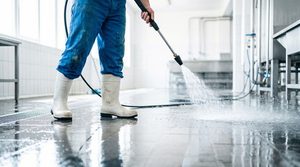
Concrete surfaces see a dramatic impact. Driveways, sidewalks, and garage floors reveal original texture and color. Pressure removes stains that years of vehicle traffic leave behind. Clean concrete enhances both function and aesthetics.

Metal surfaces require a careful balance. Rust, oxidation, and staining threaten longevity. Professionals pair gentle abrasives with high-pressure water to restore shine without stripping protective layers. The goal is preservation alongside cleaning.

Brick and stone facades reflect long-term value. Moss and dirt settle in crevices that ordinary scrubbing cannot reach. Professionals use angled sprays and rotational nozzles to reach every nook. These methods maintain material integrity while removing years of buildup.

The psychological effect of clean surfaces is profound. Humans respond positively to environments that appear maintained. Curb appeal, internal spaces, and commercial areas all benefit. Clean surfaces subtly enhance mood and perception.

Graffiti removal is a specialized extension of power washing. Professionals apply heat, chemicals, and pressure strategically. Removing unwanted marks without damaging surfaces requires precision and experience. It’s an art as much as a cleaning task.

Parking lots and industrial zones also gain through power washing. Oil spills, tire marks, and accumulated grime vanish. This creates safer, more welcoming areas. Maintenance here supports both operational efficiency and public perception.

Driveways often conceal years of wear. Oil leaks, tire marks, and weathering hide beneath surface grime. High-pressure washing restores original appearance. Homeowners find renewed pride in previously neglected spaces.

Wood fences reveal hidden beauty. Sun and moisture cause dirt and mildew buildup. Professionals carefully restore surfaces without splintering or erosion. The fence regains charm, contributing to overall landscape aesthetics.

Decks and pergolas, exposed to seasonal extremes, regain texture and color. UV damage and mildew no longer dominate surfaces. Professional techniques restore surfaces without sanding or chemical stripping. Outdoor furniture and structural components benefit equally.

Environmental debris such as pollen, dirt, and leaves accumulate year-round. Without intervention, surfaces degrade and discolor. Power washing offers a solution that’s both immediate and preventative. Clean surfaces resist further decay.

Pressure washing services now incorporate eco-friendly detergents. They remove stains while protecting plants, pets, and nearby ecosystems. Professionals consider runoff and absorption carefully. Sustainable cleaning ensures longevity and responsibility coexist.

Pressure also affects microbial removal. Mold and algae thrive in hidden crevices. Properly calibrated jets remove these organisms completely. Homes and commercial buildings maintain healthier environments as a result.

Seasonal scheduling helps prevent long-term damage. Professionals time sessions for peak effectiveness. They consider rainfall, temperature, and surface conditions. This strategic planning ensures minimal disruption and maximum impact.

Surface texture requires constant attention during cleaning. Porous materials absorb water differently than smooth surfaces. Incorrect pressure can leave marks or deepen cracks. Skilled operators adjust continuously to maintain safety and effectiveness.

Commercial spaces demand efficiency and discretion. Power washing outside business hours minimizes disruption. Cleaning proceeds without interfering with daily operations. Clients benefit from spotless surfaces without inconvenience.

The rise of mobile units enhances responsiveness. Technicians arrive with fully equipped systems for rapid deployment. This flexibility supports both urgent cleanup and regular maintenance. Efficiency and quality remain intertwined.

Graffiti removal benefits from specialized nozzles and heated solutions. Removing layers without harming underlying surfaces preserves long-term integrity. Professionals tailor pressure, angle, and chemical application for each scenario. Results are thorough and precise.

Concrete restoration includes oil, dirt, and residue removal. Professionals restore appearance while preserving texture. Driveways, walkways, and patios emerge as functional and attractive. This maintenance strategy saves replacement costs.

Decks and wood surfaces regain aesthetic appeal and usability. High-pressure cleaning removes years of accumulated grime. Surfaces feel softer underfoot and regain natural color. Homeowners often notice improved outdoor living experience.

Industrial zones see efficiency gains through deep cleaning. Removing grease, sludge, and environmental buildup supports operations. Surfaces remain safe and navigable. The process integrates into routine maintenance without disruption.

Pressure washing services now extend to roofs. Algae, moss, and dirt removal prevent structural damage. Professionals use controlled water pressure to avoid shingle erosion. Roof longevity improves alongside aesthetic restoration.

Metal surfaces receive protective cleaning and restoration. Rust, oxidation, and embedded dirt are carefully removed. Professionals balance pressure and cleaning agents. The surface regains both strength and appearance.

Power washing removes hidden allergens as well. Pollen, dust, and mold spores trapped in outdoor surfaces are displaced. This improves overall air quality near homes and businesses. The impact goes beyond visual cleanliness.

Driveway aesthetics improve immediately. Oil stains, tire marks, and grime vanish. The surface regains uniform color and texture. Homeowners often pair cleaning with sealing for longer-term protection.

Decks, pergolas, and outdoor furniture benefit from careful cleaning. Dirt and mildew removal enhances usability and enjoyment. Professionals restore natural wood tones and tactile feel. Spaces become inviting for family and guests.

Graffiti and vandalism are addressed efficiently. Professionals remove markings without structural damage. Urban surfaces regain their original appearance. This supports community pride and safety.

Preventative maintenance is now a core strategy. Regular pressure washing extends lifespan of surfaces. It prevents rot, staining, and structural degradation. Scheduled cleaning becomes an investment rather than an expense.

The science behind pressure calibration is vital. Each surface type responds differently to water force. Professionals adjust PSI and temperature to match material tolerance. Proper calibration prevents damage while maximizing cleaning effectiveness.

Environmental considerations guide runoff management. Professionals ensure that water does not harm landscaping or soil. Detergents and debris are contained responsibly. The approach supports both environmental and structural care.

Residential, commercial, and industrial clients benefit from tailored services. Each setting requires unique attention and techniques. Professionals assess surfaces, traffic, and environmental factors before work begins. Customization ensures superior outcomes.

Power washing is now considered a strategic asset. It preserves material integrity, improves safety, and enhances aesthetics. Surfaces maintain function while appearing refreshed. This combination of benefits elevates cleaning from chore to investment.

Over time, pressure washing proves its value repeatedly. Surfaces remain resilient against weather, debris, and daily wear. Restoration impacts both perception and structural performance. Professionals ensure that each blast of water delivers lasting results.

Power washing services have evolved into precise, responsible, and transformative operations. They balance strength, efficiency, and environmental care. What was once simple cleaning is now a science of revival. Each service restores beauty, safety, and durability in equal measure.

The impact extends beyond surfaces to perception. Homes, businesses, and public areas appear well-maintained and inviting. Power washing redefines what it means to care for property. Cleanliness, longevity, and aesthetic appeal converge in every spray.

The profession continues to innovate with technology and sustainability. Automated units, eco-friendly solutions, and predictive scheduling enhance outcomes. Professionals combine skill, science, and experience. Every project becomes a testament to the power of water, pressure, and expertise.

From residential patios to commercial facades, the results are immediate and striking. Dirt, grime, and age vanish under controlled water streams. Surfaces regain texture, color, and function. Power washing services redefine cleanliness as an art and a strategy simultaneously.

Visit our Professional Services Blogs
West Accounting Services, Polycor Countertops, Appliance Repair Cherry Hill, Prism Power Wash, Gardner Tax And Accounting, Kitchen Remodel Cost, Sunrise Towing, Color Cork Flooring, Architectural Design Consultants, Sunny Cleaning, Solar Module Direct, Dr Mark Wiley, West Accounting Services, Visit Red Lake Region, Across America Movers, Karis Transportation, About The Bay Movers, portlandmetroautoinsurance.com, Get Healthy Again, The Wow Traveler, Tzar Travel, Technohub IT Services, Maine Business Lending, Garage Door Repair 719, St Croix Tampa, Household Inspector, Hemp Solutions, Hamilton Home Inspection, Mold Removal Remediation Experts, Nine Radiance Furnitures

Power Washing That Transforms Surfaces Instantly

Over time, dirt, grime, mold, and stains build up on outdoor surfaces, making them look old and worn. While regular cleaning helps, some stains and buildup are too tough for simple scrubbing. That’s where power washing comes in. Power washing uses high-pressure water to blast away years of buildup, restoring surfaces to a clean, fresh appearance. It’s one of the most effective ways to maintain the beauty and longevity of homes, driveways, decks, and more.

power washing

What Is Power Washing

Power washing is a cleaning method that uses pressurized water to remove dirt, mildew, algae, oil, and other contaminants from surfaces. Unlike standard cleaning, the high-pressure stream penetrates deep into pores and crevices, removing buildup that ordinary cleaning methods cannot reach.

Power washing can be used on a variety of surfaces, including:

  • Driveways and sidewalks
  • Patios and decks
  • Fences
  • Exterior walls and siding
  • Garage floors
  • Outdoor furniture
  • Roofs (with proper technique)

This versatility makes it an essential part of property maintenance.

Benefits of Power Washing

The advantages of power washing extend beyond just appearance. Some of the top benefits include:

  • Instant curb appeal: Surfaces look refreshed and like new after treatment.
  • Prevents damage: Removing mold, algae, and mildew prevents long-term deterioration.
  • Saves money: Regular power washing extends the lifespan of siding, decking, and concrete.
  • Healthier environment: Eliminating mold and allergens improves air quality around your property.
  • Prepares surfaces: Ideal before painting, sealing, or staining for better adhesion.

By investing in power washing, homeowners protect their property while enhancing its value and appearance.

Power Washing vs Pressure Washing

Many people use the terms interchangeably, but there is a slight difference. Pressure washing uses normal-temperature water under high pressure, while power washing uses heated water. The heat makes power washing more effective at removing tough stains such as oil, grease, and salt. Depending on the type of job, either method may be appropriate.

Best Practices for Power Washing

To get the best results and avoid damage, power washing should be done correctly. Here are some important guidelines:

1. Choose the Right Pressure Level

Different surfaces require different pressure settings. For example, concrete can handle high pressure, but wood and siding need gentler settings to prevent damage.

2. Use Proper Nozzles

The angle of the nozzle determines how concentrated the spray is. A wider angle is better for delicate surfaces, while a narrow stream is ideal for stubborn stains.

3. Maintain a Safe Distance

Holding the wand too close to the surface can cause cracks or gouges. Keeping a consistent distance ensures effective cleaning without damage.

4. Apply Detergents When Needed

For tough buildup, adding a cleaning solution before rinsing with high-pressure water can boost effectiveness.

5. Work in Sections

Cleaning small sections at a time ensures even results and prevents streaking.

By following these practices, power washing delivers excellent results while protecting surfaces.

Safety Tips for Power Washing

Power washing equipment is powerful and should be handled with care. Always follow safety precautions such as:

  • Wearing protective eyewear and gloves.
  • Avoid power washing near electrical outlets or wiring.
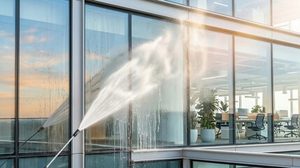
  • Not using high pressure on windows, as it can cause breakage.
  • Keeping the spray away from people, pets, and plants.
  • Ensure proper ventilation when using cleaning detergents.

Safety ensures that the job is completed effectively without accidents or damage.

When to Power Wash

Timing makes a big difference in results. Many homeowners schedule power washing once or twice a year, typically in spring or fall. Ideal times include:

  • Before painting or sealing: Ensure surfaces are clean for better results.
  • After storm season: Removes debris, dirt, and mildew buildup.
  • When stains appear: Tackling oil, mold, or algae early prevents deeper damage.

Routine power washing keeps your property looking its best year-round.

DIY vs Professional Power Washing

While it’s possible to rent or buy equipment for DIY power washing, hiring professionals often provides better results. Here’s why:

  • Experience: Professionals know the right pressure and technique for each surface.
  • Efficiency: Jobs are completed faster with commercial-grade equipment.
  • Safety: Trained experts reduce the risk of property damage or injury.
  • Lasting results: Professionals often use eco-friendly detergents for deeper cleaning.

For small projects, DIY may be sufficient, but larger or delicate surfaces benefit from professional care.

Power Washing for Businesses

Power washing is not just for homes—it’s also valuable for businesses. Clean sidewalks, parking lots, and building exteriors create a welcoming impression for customers. Regular power washing also reduces safety risks by removing slippery substances like algae and oil from walkways. For commercial properties, it’s a cost-effective way to maintain a professional image.

Long-Term Value of Power Washing

Power washing is more than a quick fix—it’s an investment in your property. The long-term benefits include:

  • Extended lifespan of surfaces: Regular cleaning prevents decay.
  • Reduced repair costs: Removing contaminants avoids structural damage.
  • Improved property value: A clean, well-maintained home is more attractive to buyers.
  • Healthier outdoor spaces: Eliminating mold and mildew improves air quality and safety.

By including power washing in your property maintenance routine, you save money while keeping your home or business in top shape.

Conclusion

Power washing is one of the most effective ways to restore and protect outdoor surfaces. From driveways and decks to siding and fences, it instantly improves appearance while preventing long-term damage. With the right techniques, regular power washing enhances curb appeal, saves money on repairs, and creates a healthier environment.

Whether you choose to handle it yourself or hire professionals, power washing delivers lasting results that keep your property looking fresh and well-maintained.

Quick Fixes for Touching Up Refinished Cabinets

Everyday use takes a toll on painted cabinet surfaces. Fingernails, rings and utensils leave light surface marks, and high-traffic areas become especially susceptible to scuffing.

Touch-up kits can make small scratches and chips virtually invisible. But when chipping spreads, or paint is discolored or peeling, a professional refinishing service is the best option. Contact Cabinet Refinishing Modesto for more details.

1. Paint

Cabinet

Painted cabinets aren’t immune to the ravages of daily wear and tear. Dirt, grease, and scuffs can make even the most beautiful kitchen cabinetry look dull and dingy. Fortunately, minor chips and scratches are easily fixed without the cost and stress of a full repaint. The key is regular maintenance that includes gentle cleaning, protecting surfaces from damage, and applying clear protective topcoats.

Small, chipped areas are easily covered with a cabinet touch-up marker or paint stick that matches your existing finish. Lightly brush the paint on in thin layers, allowing each to dry completely before applying the next. This will ensure a smooth, seamless blend and help the touch-up paint last longer.

Alternatively, you can use a wax repair stick or bondo spot putty to fill deep dents and dings in your painted cabinets. This product can be purchased at any home improvement store and is easy to work with. Simply apply a small amount to the damaged area and smooth with a plastic scraper or finger. After letting the touch-up paint and putty dry, lightly buff the surrounding areas to blend in the new color.

It is important to use a high-quality paint for your cabinet touch ups to ensure a long-lasting and durable finish. Acrylic enamel is a popular choice as it dries hard and resists impact damage. Oil-based paint provides even more durability, but it takes much longer to dry, making it less practical for DIY touch-ups.

Before touching up your cabinets, always clean the damaged area to remove any dirt or grease residue that could prevent the paint from adhering properly. Lightly sanding the surface before painting will also improve the results. Choose a touch-up paint that doesn’t require primer if possible, but be sure to use a high-quality, cabinet-friendly product if your cabinets were previously primed.

Although DIY touch-up kits and simple techniques can hide most of the damage to painted cabinets, more extensive repairs may require a professional refinishing service in Lutherville-Timonium. Large areas of chipping or peeling usually signal deeper issues that a simple touch-up kit can’t fix.

2. Repair Chips

Cabinets are a major investment in your home and it’s important that they stay looking great. But over time, normal wear and tear can lead to scuff marks, scratches, chips, and dullness that will make them look old and tired. Thankfully, there are simple ways to repair these problems without spending the money or time to repaint your cabinets completely.

Scratches can be easy to hide with a quick cabinet touch-up marker or wax repair stick in a matching color. Apply it in thin layers, allowing the product to absorb evenly and buff between coats. This technique will help hide even the deepest nicks and scratches.

Chips on painted cabinets are much more difficult to hide, but there are steps you can take to repair them before they get too out of hand. Before touching up the chipped area, thoroughly clean it to remove any grease, grime, or residue that could interfere with the new paint or stain adhering. Then, lightly sand the area to roughen it up and help the new finish adhere. Finally, use a wood filler to repair any holes or cracks before painting or staining.

Once the area is filled and sanded smooth, you can apply a small amount of linseed oil to the affected surface. This will help restore the natural oils to the wood, which can help the finish resist water damage and stains in the future.

If the problem is deeper than a few small chips, it may be time to hire a professional. A qualified cabinet refinisher can transform your cabinets with flawless results. They will understand the specific techniques needed to prevent chipping and can also recommend a clear topcoat to extend the life of your cabinets.

Another way to give your cabinets a fresh new look is to replace the hardware. This is a little bit more time consuming, but the effort will be worth it when you see how new and refreshed your cabinets look! It’s also an opportunity to change out any outdated hinges for more contemporary knobs or pulls.

3. Refinish

Refinishing your cabinets can give them an entirely new look. Choosing the right paint and proper prep is essential for success. You will want to use a touch-up pen for hairline scratches, and a small artist’s brush or foam brush for wider areas. Applying thin coats and letting the paint dry in between is important to a smooth finish. Feather the edges of the new paint into the existing paint to avoid harsh lines. Using a clear topcoat is also beneficial to protect the finish and help it last longer.

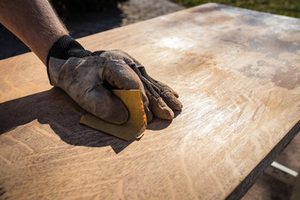
Before you start, make sure the cabinet boxes and doors are free of dust and dirt by sanding them with 180-grit sandpaper or using a random orbital sander. It’s a good idea to vac and tack the cabinets after sanding to remove dust particles and loose debris. This will also prepare the cabinets for priming. Choose a high-quality primer, such as KILZ 3 Premium Primer, which offers great adhesion and stain-blocking properties. It is easy to apply and dries quickly, allowing you to remain home while the project is in progress.

Once the refinishing process is complete, let the cabinets dry completely before putting items back on them. A week or more is ideal to ensure the refinished surfaces are fully cured and ready for normal use. Make sure the surface is protected from direct sunlight or excessive moisture until the curing is complete. It’s also a good idea to hold off on placing area rugs on the newly refinished cabinets until after they have had time to cure.

4. Replace Hardware

A well-matched touch-up repair blends seamlessly, keeping cabinets looking polished and well-maintained without the cost and hassle of a full renovation. Plus, addressing small chips early prevents them from spreading, saving homeowners from costly repaints down the line.

If your cabinet hardware is looking a little dated and you’re not ready to commit to another color or paint, swapping out the drawer pulls and cabinet knobs is an easy way to give them a major upgrade in one afternoon. You’ll still have to do some prep work, like filling and painting the old screw holes, but you can find a variety of inexpensive options that look great and are easier on your wallet than an entire kitchen overhaul.

Choose a touch-up kit that offers multiple marker colors for accurate coloring and that dries quickly. It should also contain wax sticks for precise application and for use on dark finishes. Use the markers to cover scuffs and scratches, and apply in thin coats to avoid harsh lines. If you’re working with bare wood or a particularly tricky surface, prime it first before you begin. Then, be sure to let the paint dry completely before reattaching the hardware. If you’re replacing the hardware because it’s a different size, make sure to mark the spots where you plan to drill in pencil so that they match up with the holes in your cabinets and drawers. Otherwise, you’ll end up with knobs at varying heights. Alternatively, you can always hire a local handyman service to do the job for you.

Navigation