A roof is one of the most important parts of any home, yet it is often overlooked until something goes wrong. Everything seems fine until one rainy day when a small water stain appears on the ceiling. That tiny spot can quickly become a sign of a much larger issue hidden above. Roof damage rarely announces itself loudly at first. It often begins with small problems that grow over time.
Understanding roof repair and addressing issues early can protect your home from serious damage and costly replacements. Visit Website for more details.
Why Roof Repair Is Essential for Every Home
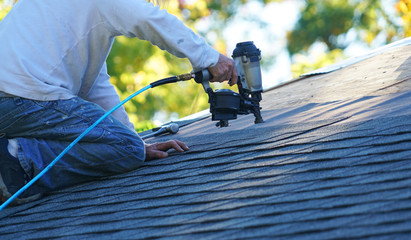
The roof serves as the primary shield against weather conditions such as rain, wind, snow, and intense sunlight. Without proper protection, the structure of a home becomes vulnerable to moisture, temperature changes, and environmental damage.
Even minor roofing issues can create significant problems if ignored. A single missing shingle may allow water to seep beneath the surface. Over time this moisture can damage insulation, ceilings, and even structural beams.
Roof repair ensures that the protective barrier remains strong and reliable. By repairing damage early, homeowners can prevent the spread of deterioration and maintain the stability of the entire structure.
Timely repairs also extend the lifespan of the roof. Instead of replacing the entire roofing system prematurely, homeowners can maintain its condition through regular maintenance and targeted repairs.
Investing in roof repair is not only about solving current issues but also about preserving the long term integrity of the home.
Common Signs That a Roof Needs Repair
Many roofing problems develop gradually and may not be immediately visible from the ground. However, there are several warning signs that indicate the need for roof repair.
Water stains on ceilings or walls often suggest that moisture has entered through the roof. Even small discolorations may signal a leak that requires attention.
Missing, cracked, or curling shingles are another common sign of damage. These issues may occur due to strong winds, aging materials, or exposure to extreme weather conditions.
Granules from shingles sometimes accumulate in gutters. This can indicate that the shingles are deteriorating and losing their protective coating.
Sagging areas on the roof surface may suggest structural issues beneath the shingles. This type of damage should be inspected promptly to prevent further complications.
Unusual increases in energy bills can also be linked to roof problems. Poor insulation or ventilation caused by roofing damage may affect temperature regulation inside the home.
Recognizing these signs early allows homeowners to address repairs before the damage becomes extensive.
Common Causes of Roof Damage
Understanding what causes roof damage can help homeowners take preventative measures and maintain the condition of their roofs.
Weather conditions are among the most common causes of roofing problems. Heavy rain, strong winds, hail, and snow can weaken roofing materials over time. Storms may loosen shingles or create small openings that allow water to penetrate.
Sun exposure also affects roofing materials. Continuous exposure to ultraviolet rays can cause shingles to become brittle and crack as they age.
Poor installation is another factor that can lead to roof damage. If roofing materials are not installed correctly, they may not withstand environmental stress effectively.
Clogged gutters can also contribute to roof problems. When gutters are blocked by debris, water cannot drain properly and may pool along the roof edges. This can lead to leaks and water damage.
Tree branches hanging over the roof can cause physical damage during storms or high winds. Leaves and debris may also accumulate on the roof surface, trapping moisture.
By understanding these causes, homeowners can take steps to reduce the risk of damage and maintain the roof’s durability.
The Roof Repair Process
Roof repair typically begins with a detailed inspection. During this stage, professionals examine the entire roofing system to identify damaged areas and determine the extent of the problem.
The inspection includes checking shingles, flashing, vents, and gutters. Technicians look for signs of wear, leaks, or structural weaknesses that may require repair.
Once the issue has been identified, the repair process begins. Damaged shingles may be replaced, and loose materials are secured. Flashing around chimneys and vents may also be repaired or replaced to ensure proper sealing.
If leaks are present, the underlying cause must be addressed before repairing the visible damage. This ensures that the repair is effective and prevents future problems.
After the repairs are completed, the roof is inspected again to confirm that all issues have been resolved. Proper repair restores the roof’s ability to protect the home from weather conditions.
The repair process may vary depending on the type of roof and the severity of the damage, but careful attention to detail is essential for long lasting results.
Preventative Maintenance for Roof Longevity
Regular maintenance plays a crucial role in reducing the need for major roof repairs. By performing routine inspections and maintenance tasks, homeowners can keep their roofs in good condition for many years.
Cleaning gutters is one of the most important maintenance activities. Removing leaves and debris allows water to flow freely away from the roof and prevents pooling.
Trimming nearby tree branches reduces the risk of physical damage during storms. It also prevents debris from accumulating on the roof surface.
Periodic roof inspections help identify potential issues before they become serious problems. Checking for loose shingles, cracked flashing, or small leaks allows homeowners to address these concerns promptly.
Maintaining proper attic ventilation is also important. Adequate airflow prevents heat and moisture buildup that can damage roofing materials.
Preventative maintenance not only extends the lifespan of the roof but also helps homeowners avoid costly repairs in the future.
The Benefits of Professional Roof Repair
While some minor roof maintenance tasks can be handled by homeowners, professional roof repair offers several advantages.
Experienced professionals have the training and equipment needed to identify hidden damage. Issues such as small leaks or structural weaknesses may not be obvious to untrained observers.
Professional repair also ensures that materials are installed correctly and securely. Proper techniques help maintain the integrity of the roofing system.
Safety is another important factor. Roof work often involves working at heights and handling heavy materials. Professionals follow safety procedures that reduce the risk of accidents.
Working with skilled professionals also saves time. They can complete repairs efficiently while ensuring high quality results.
Choosing professional roof repair services provides confidence that the job has been completed properly and that the roof will continue to protect the home effectively.
Conclusion: Protecting Your Home Through Proper Roof Repair
Roof repair is an essential part of maintaining the safety and durability of a home. By addressing problems early and performing regular maintenance, homeowners can protect their property from weather damage and structural deterioration.
Understanding the causes of roof damage and recognizing warning signs allows for timely repairs that prevent larger issues. A well maintained roof not only enhances the appearance of the home but also provides long lasting protection.
Investing in proper roof repair and maintenance ensures that the roof remains a strong barrier against the elements. With consistent care and attention, homeowners can preserve the integrity of their homes and enjoy peace of mind for many years.