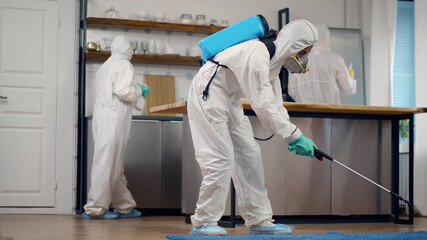
You are enjoying a quiet evening at home when you suddenly notice a small line of ants moving along the kitchen counter. Later, you hear a faint scratching sound behind the wall or see a cockroach disappear beneath a cabinet. Situations like these can quickly turn a peaceful home into a stressful environment.
Pests often arrive quietly and multiply quickly, which is why prevention is one of the most important steps homeowners can take. Pest prevention focuses on stopping infestations before they begin, protecting both the home and the people living in it. Click Here for more details.
Understanding the Importance of Pest Prevention
Pest prevention is the process of reducing the chances that insects, rodents, or other unwanted animals will enter and settle inside a property. While pest control focuses on removing existing infestations, prevention aims to eliminate the conditions that attract pests in the first place.
Homes naturally provide the elements pests need to survive. Warm shelter, accessible food sources, and water make residential properties attractive environments for many species. Without preventative measures, these conditions can invite pests to settle in hidden areas such as walls, basements, attics, and kitchens.
Preventing pests offers several advantages. It reduces the likelihood of property damage, protects food and living areas from contamination, and eliminates the stress that comes with dealing with infestations. Prevention also tends to be more cost effective than treating a widespread pest problem.
By understanding what attracts pests and how they enter homes, homeowners can create an environment that discourages these unwanted visitors.
Identifying Common Entry Points
One of the first steps in pest prevention is identifying how pests gain access to a property. Many pests can enter through surprisingly small openings, often unnoticed by homeowners.
Cracks in foundations or walls are common entry points. Over time, buildings naturally develop small gaps due to settling or weather exposure. Rodents and insects can easily use these openings to move inside.
Doors and windows may also allow pests to enter if seals or screens are damaged. Even small gaps around door frames can provide enough space for insects and rodents to slip through.
Utility lines such as plumbing pipes and electrical cables create additional openings where pests can gain access. These areas are often overlooked but can serve as convenient entry points.
Roof vents, attic openings, and chimney areas are other potential access routes. Birds, squirrels, and insects may enter through these locations if they are not properly protected.
Regular inspections of the home’s exterior help identify and seal these vulnerabilities. By closing off entry points, homeowners significantly reduce the chances of pests entering the structure.
Maintaining Cleanliness Inside the Home
Cleanliness is one of the most effective forms of pest prevention. Many pests are drawn to homes in search of food. Even small crumbs or spills can attract insects and rodents.
Kitchens are particularly important areas to maintain. Food should be stored in sealed containers, and surfaces should be wiped down regularly. Taking out trash frequently and keeping garbage containers tightly closed helps prevent pests from being drawn to waste.
Dining areas and living spaces should also be kept clean. Food crumbs that fall beneath furniture or appliances can provide an easy food source for pests.
Bathrooms and laundry areas may attract pests due to moisture. Keeping these spaces clean and dry reduces the likelihood of insects that thrive in damp environments.
Pet food can also attract pests if left exposed for long periods. Storing pet food securely and cleaning feeding areas helps prevent unwanted visitors.
Consistent cleaning habits remove the food sources that pests rely on, making the home far less appealing to them.
Managing Moisture and Water Sources
Water is another essential resource for pests. Many insects and rodents are drawn to areas where moisture is present. Controlling water sources is therefore a key aspect of pest prevention.
Leaking pipes and faucets can create damp conditions that attract pests. Even small leaks beneath sinks or inside walls may provide enough moisture to support infestations. Repairing leaks promptly helps eliminate these environments.
Bathrooms and basements often experience higher humidity levels. Proper ventilation and the use of dehumidifiers can reduce moisture and discourage pests from settling in these areas.
Standing water outside the home can also contribute to pest problems. Mosquitoes, for example, breed in stagnant water. Ensuring that gutters drain properly and removing water from containers in the yard helps prevent insect populations from growing.
Maintaining dry conditions throughout the property makes it less inviting for pests that depend on moisture to survive.
Outdoor Maintenance for Pest Prevention
The condition of the surrounding property can influence the likelihood of pests entering a home. Outdoor maintenance plays a major role in prevention.
Vegetation that grows too close to the house can provide hiding places for insects and rodents. Trimming bushes and tree branches away from walls reduces these opportunities.
Firewood, debris, and stored materials should be kept away from the home’s foundation. These items can become nesting areas for pests that later move indoors.
Proper waste management is also important. Outdoor trash containers should remain sealed and placed at a distance from entryways when possible.
Keeping lawns well maintained and removing fallen leaves helps eliminate potential shelter for pests. Maintaining clean outdoor spaces makes it more difficult for pests to establish themselves near the home.
By managing the exterior environment, homeowners reduce the likelihood that pests will approach or enter the property.
The Role of Regular Inspections
Regular inspections are an important part of effective pest prevention. By examining the home periodically, homeowners can detect early signs of pest activity before an infestation develops.
Signs such as droppings, chewed materials, or unusual odors may indicate the presence of pests. Early detection allows for quick action to prevent the problem from spreading.
Inspecting storage areas, basements, attics, and garages is particularly important because pests often hide in these less frequently used spaces. Checking these areas helps identify potential problems that might otherwise go unnoticed.
Professional inspections can provide an additional layer of protection. Experienced technicians understand pest behaviors and can identify risks that homeowners may overlook.
Combining regular inspections with preventative measures ensures that the home remains protected throughout the year.
Conclusion: Creating a Pest Free Living Environment
Pest prevention is one of the most effective ways to maintain a clean, safe, and comfortable home. By eliminating entry points, maintaining cleanliness, controlling moisture, and managing outdoor conditions, homeowners can significantly reduce the risk of infestations.
Taking proactive steps to discourage pests protects both property and health. A home that is well maintained and carefully monitored becomes far less attractive to insects and rodents.
With consistent attention and preventative practices, homeowners can create an environment where pests struggle to survive. The result is a healthier living space and greater peace of mind for everyone in the household.