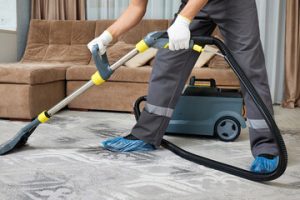
Carpets bring warmth, comfort, and visual appeal to many homes, but they also endure daily wear that can lead to hidden dirt, allergens, and stains. From muddy shoes and spilled drinks to pet hair and everyday dust, carpets absorb a wide range of contaminants over time. Regular vacuuming helps manage surface debris, but it often cannot remove particles that settle deep within the fibers. Because of this, professional Carpet Cleaning Orem becomes an essential part of maintaining a healthy and attractive home. However, not all carpet cleaning methods are the same. Understanding the different techniques available—such as steam cleaning, dry cleaning, and other specialized approaches—can help homeowners choose the most suitable method for their needs.
Different carpet materials, levels of dirt buildup, and household conditions often require different cleaning strategies. Some methods focus on deep extraction of moisture and dirt, while others prioritize fast drying and minimal water use. Each technique has unique advantages and limitations, and the best choice often depends on the condition of the carpet and the specific cleaning goals. By understanding how these methods work, homeowners can make informed decisions that protect their carpets and improve indoor cleanliness.
One of the most widely recognized carpet cleaning techniques is steam cleaning, often referred to as hot water extraction. This method is known for its ability to remove deeply embedded dirt and contaminants from carpet fibers. Despite the name, the process does not rely entirely on steam. Instead, it uses hot water combined with specialized cleaning solutions to loosen dirt before extracting it from the carpet.
During the steam cleaning process, a cleaning solution is applied to the carpet and worked into the fibers to break down dirt, oils, and stains. Hot water is then injected deep into the carpet, loosening debris that has settled beneath the surface. Powerful extraction equipment immediately removes the water along with the dislodged dirt and cleaning solution. This method effectively flushes contaminants out of the carpet, leaving the fibers significantly cleaner than with surface cleaning alone.
One of the main advantages of steam cleaning is its deep-cleaning capability. Because the method penetrates deep into the carpet pile, it can remove allergens, bacteria, and other particles that routine vacuuming may leave behind. This makes steam cleaning particularly beneficial for households with pets, children, or individuals who are sensitive to airborne irritants. However, the process does involve moisture, which means carpets typically require several hours to dry completely.
Another popular carpet cleaning method is dry cleaning. As the name suggests, this approach uses significantly less water than steam cleaning. Instead of saturating the carpet, dry cleaning relies on specialized compounds or cleaning powders designed to absorb dirt and oils from carpet fibers. These materials are applied to the carpet surface and then worked into the fibers using brushing equipment or rotating machines.
Once the cleaning compound has been distributed and allowed to interact with the dirt, it begins to absorb contaminants. After the compound has done its work, it is removed using high-powered vacuuming equipment. The result is a carpet that appears refreshed and cleaner without the need for extensive drying time. Because moisture is minimal in this process, carpets can often be used again shortly after cleaning.
Dry cleaning is particularly useful in situations where quick turnaround time is important. Homes or businesses that cannot afford long drying periods may prefer this method for its convenience. However, while dry cleaning can effectively remove surface dirt and some embedded debris, it may not penetrate as deeply as steam cleaning in heavily soiled carpets.
Another method often used in carpet maintenance is bonnet cleaning. This technique is commonly used for routine maintenance rather than deep restoration. Bonnet cleaning involves applying a cleaning solution to the carpet and then using a rotating pad attached to a floor machine to absorb dirt from the surface fibers. The pad works much like a sponge, lifting debris and residue from the carpet as it spins.
Bonnet cleaning is often used in high-traffic areas where carpets require frequent cleaning but not necessarily deep extraction. While it can improve the appearance of the carpet quickly, it primarily addresses surface-level dirt rather than deeply embedded contaminants. Because of this, bonnet cleaning is often combined with other methods over time to maintain overall carpet cleanliness.
Encapsulation cleaning is another method that has gained attention for its efficiency and low moisture usage. This approach uses specialized cleaning solutions that surround and crystallize dirt particles within the carpet fibers. Once the solution dries, the encapsulated particles form small crystals that can easily be removed through vacuuming. This process effectively isolates dirt and makes it easier to extract during routine maintenance.
Encapsulation cleaning is valued for its ability to clean carpets with minimal water and relatively fast drying times. Because the cleaning solution crystallizes dirt rather than dissolving it completely, carpets remain cleaner for longer periods without sticky residues that might attract additional debris. This method is often used in environments where maintaining carpet appearance between deeper cleanings is important.
When comparing different carpet cleaning techniques, homeowners should consider several factors, including carpet material, level of soiling, and how quickly the carpet needs to be used again. Some methods are better suited for deep restoration, while others are designed for maintenance and quick refreshes.
Several common carpet cleaning methods include:
- Steam Cleaning (Hot Water Extraction) – Uses hot water and extraction equipment to remove deep dirt, allergens, and stains from carpet fibers.
- Dry Cleaning – Applies cleaning compounds or powders that absorb dirt with minimal moisture and quick drying time.
- Bonnet Cleaning – Uses a rotating pad to lift dirt from the carpet surface for quick appearance improvement.
- Encapsulation Cleaning – Utilizes specialized solutions that crystallize dirt for easy removal through vacuuming.
Each method offers distinct benefits depending on the situation, and many carpet care professionals use a combination of techniques to achieve the best results.
In addition to selecting the right cleaning method, preparation and maintenance play important roles in preserving carpet quality. Regular vacuuming helps remove surface debris before it becomes embedded in the fibers. Using entry mats at doorways can also reduce the amount of dirt tracked into the home, helping carpets remain cleaner for longer periods. These preventive measures complement professional cleaning and help maintain the overall appearance of carpets.
Another important consideration is the frequency of professional carpet cleaning. The ideal schedule depends on several factors, including the level of foot traffic, presence of pets, and the general lifestyle within the household. Homes with heavy daily activity may require more frequent cleaning to prevent buildup of dirt and stains. In quieter households, professional cleaning may be needed less often, but periodic deep cleaning remains essential for maintaining hygiene and carpet longevity.
Carpets also benefit from prompt attention to spills and stains. Liquids can quickly penetrate carpet fibers and create permanent discoloration if not addressed promptly. Blotting spills gently with a clean cloth helps absorb moisture without spreading the stain further into the fibers. While professional cleaning methods can address many stains, immediate action often prevents them from becoming deeply embedded.
Beyond improving appearance, regular carpet cleaning contributes to a healthier indoor environment. Carpets act as filters that trap dust, allergens, and other airborne particles. While this function helps prevent these contaminants from circulating through the air, it also means that carpets gradually accumulate these particles over time. Deep cleaning methods remove this buildup, reducing the concentration of contaminants within the home.
Proper carpet maintenance also helps extend the lifespan of the flooring. Dirt particles trapped in carpet fibers can act like tiny abrasives that gradually wear down the material as people walk across it. By removing these particles through professional cleaning, homeowners can help preserve the texture and durability of their carpets. This not only maintains the appearance of the flooring but also delays the need for costly replacement.
Choosing the right carpet cleaning method ultimately depends on the condition of the carpet and the specific goals of the cleaning process. Steam cleaning offers deep extraction and thorough sanitation, making it ideal for heavily used carpets. Dry cleaning provides a convenient option for quick maintenance with minimal drying time. Other methods, such as bonnet cleaning and encapsulation, serve as valuable tools for maintaining carpets between deeper treatments.
Understanding these options allows homeowners to make more informed decisions about carpet care. Rather than relying on a single approach for every situation, different cleaning techniques can be used strategically to address specific needs. Over time, this balanced approach helps maintain cleaner carpets, healthier indoor air, and a more comfortable living environment.
Carpets are a major part of many homes, contributing to both comfort and style. By learning about the different carpet cleaning methods available and maintaining a regular cleaning schedule, homeowners can ensure that their carpets remain fresh, durable, and inviting for years to come.